A Designer's Review: Using Decorative Snowflakes for Real Embroidery Projects
First Impressions: Elegant and Versatile
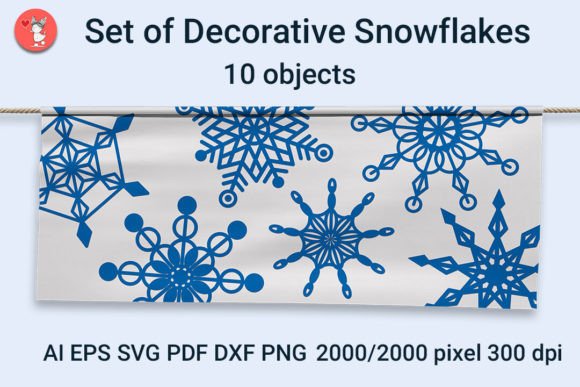
Opening the zip file containing the Set of Decorative Snowflakes, my immediate thought was classic elegance with modern utility. The shapes aren't overly fussy; they have a clean, graphic personality that feels both timeless and current. This mood—serene, delicate, yet structured—is exactly what I look for when selecting embroidery designs for client work. It doesn’t scream "holiday," which is a plus; it whispers "winter charm" and can be used well beyond December. The design naturally belongs to projects where subtle beauty is key: personalized gifts, boutique nursery decor, or that chic, minimalist tote bag a small shop wants to offer.
Where These Snowflakes Shine in Your Projects
I mentally ran through a stack of real-life scenarios. Picture a custom-embroidered linen pillow cover for a wedding gift. These snowflakes, with their balanced detail, would stitch out beautifully, offering a tasteful decorative element without overwhelming the fabric. For an Etsy seller creating seasonal baby items—think a soft cotton blanket—this set provides a gentle, non-commercial theme perfect for handmade presentation. As an apparel decorator, I see these working wonderfully on the corner of a high-quality sweatshirt or the chest of a crisp apron, adding value through a clean, recognizable motif.
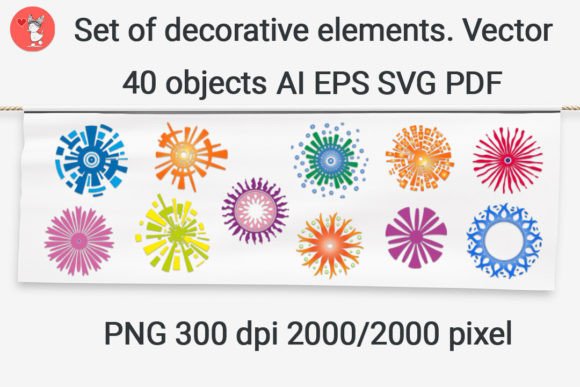
The inclusion of files in EPS, SVG, and PNG 300 dpi formats is a significant practical advantage. For an embroidery designer, the vector formats mean clean, scalable paths for digitizing into a proper machine embroidery file. The high-resolution PNG is a gem for creating printable mockups for your Etsy listings or website previews, helping with buyer engagement before you even stitch the first sample.
From Digital File to Stitched Reality
Here’s a specific real case: preparing a set of embroidered tea towels for a craft fair. Using this Set of Decorative Snowflakes, I’d consider stitch choices. The designs likely lend themselves to a combination of satin stitch for smooth arms and a fill stitch for the central details, but that depends entirely on your digitizing. On a textured fabric like linen, you’d need to consider stitch density to prevent puckering, and a good stabilizer is non-negotiable. On a dark fabric background, thread color contrast becomes crucial; a bright white or silver thread would make these snowflakes pop, enhancing that visual appeal and professionalism.
Careful Application: Navigating the Potential Pitfalls
As a professional reviewer, I must also think about where this design should be used carefully. The intricate corners and potential for dense stitch areas in the snowflake centers mean that very small hoop sizes might not capture all the detail cleanly. Always test the design on scrap fabric first, especially if you plan to use it on stretchy fabric like a t-shirt or on a curved surface like a cap. The small points could get lost or blur if the fabric isn’t well-supported.
For products that need frequent washing, like baby clothes or kitchen towels, you’ll want to ensure your embroidery is secure and the thread choices are durable. The design’s clarity after washing affects customer trust and the longevity of your handmade product. Also, for layered garments or thin fabric, the overall stitch count (which you’d need to check from your digitized file) becomes important to maintain fabric integrity.
The Business of Beauty: Commercial and Craft Use
For small business owners and digital product sellers, this set acts as a versatile design asset. It can be the cornerstone for a cohesive winter product line—from embroidered patches to branded shop merchandise. The graphic nature supports brand consistency. However, a critical note: the product description doesn’t specify licensing terms. Confirm licensing before selling finished items or digital products derived from these files. You need to know if it’s cleared for commercial embroidery projects.
Practical Designer Notes for Your Workflow
Before you commit this design to a client’s order or your next batch of holiday embroidery, here’s my practiced checklist.
- Test, test, test. Run the digitized version on the exact fabric type you intend to use.
- Review the stitch density in your embroidery software to match it to your fabric texture.
- Check thread color contrast by viewing the design in black and white mockups and comparing it on both light and dark fabric backgrounds mentally.
- Inspect the small details in the file to ensure they are distinct enough for your chosen hoop size.
- Consider the final product’s giftability and how this design enhances it. A well-embroidered snowflake on a tote bag feels special and personal.
- Finally, ensure your technique—from stabilizer choice to machine settings—is tuned to preserve the design’s elegant, clean lines, which are its greatest selling point.
The Set of Decorative Snowflakes, as a set of graphics in the Decorative Elements category, offers a strong foundation. Its real value isn’t just in the files provided, but in how thoughtfully you, the maker, apply it. With careful planning, it can elevate your embroidery project from a simple craft to a polished, desirable finished product that reflects your skill and meets your customers’ expectations for quality and beauty.