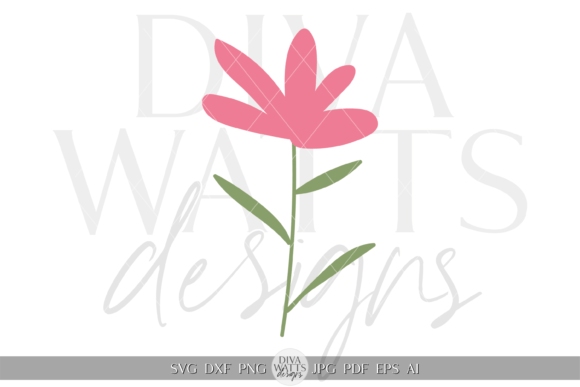
Crafting Beautiful Blog Graphics With a Decorative Flower SVG
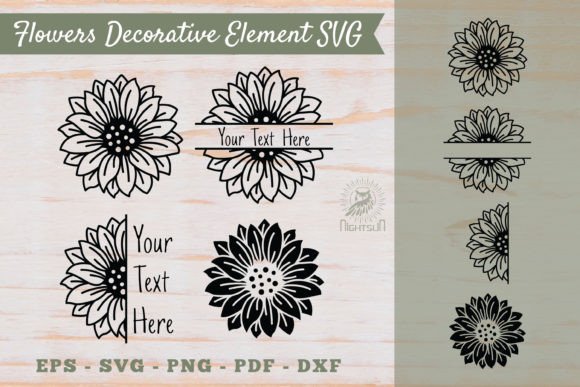
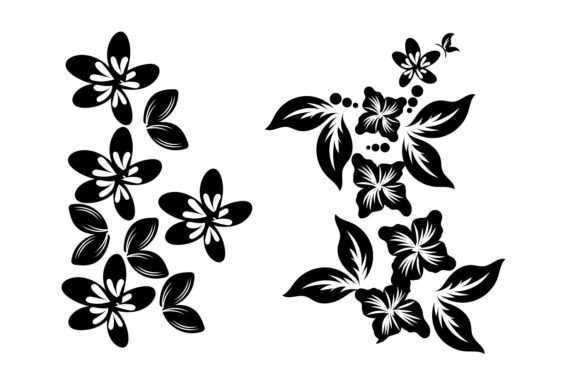
As a blog designer, my first instinct with any new design asset is to visualize it in a live editorial layout. When I opened this Decorative Flower Design SVG, the immediate impression was one of elegant, feminine charm. It’s not a botanical illustration; it’s a stylized, ornamental graphic that emphasizes aesthetic appeal. The mood it creates is distinctly lifestyle-focused, artistic, and decorative. For publishers in niches like DIY crafts, home decor, wellness, seasonal content, or creative entrepreneurship, this graphic design asset feels like a natural fit. It signals a clean, modern, and slightly playful editorial tone.
The Editorial Mood: Where This Flower Design Belongs
This SVG’s ornamental style directly influences reader perception. On a website, it doesn’t scream “scientific guide” but rather “inspiration” and “beautiful creation.” It builds an atmosphere of trust through polished visual communication. Readers approaching a blog post adorned with this design are primed for content that is visually engaging and thoughtfully presented. It naturally supports content niches centered around creativity, handmade projects, garden-inspired themes, wedding planning, or any area where a touch of artistry enhances the message.
Real Publishing Workflow: From Asset to Live Content
Imagine preparing a spring crafting roundup blog post. My workflow starts with the featured image. This Decorative Flower Design SVG becomes the foundational visual layer. I place it as a subtle background accent behind a bold headline in a serif font, creating immediate visual hierarchy. The same file, resized and repositioned, becomes the custom graphic for the accompanying Pinterest pin. Its scalability means no loss of quality, whether it’s dominating a newsletter banner or acting as a small thumbnail for a downloadable worksheet.
Concrete uses in a real publishing month include:
- Blog Featured Images & Article Headers: Providing a consistent, branded look across a series of posts.
- Pinterest Graphics & Social Media Posts: Creating clickable, stand-out visuals that perform better in feeds.
- Newsletter Graphics & Digital Ads: Giving email campaigns and promotional content a professional lift.
- Downloadable Resources & Lead Magnets: Enhancing the cover of a digital guide, printable craft template, or content upgrade worksheet.
- Website Banners & Category Thumbnails: Helping visitors instantly recognize a “Crafts” or “DIY Projects” section.
- Canva Templates & Media Kits: Serving as a core element in reusable templates for affiliate content visuals or small business branding materials.
How This Asset Drives Content Performance
Beyond aesthetics, a strong graphic design asset like this supports measurable outcomes. A stronger first impression reduces bounce rates. A clearer visual hierarchy guides the reader’s eye to your headline and call-to-action. For affiliate marketers and digital publishers, this can mean better click-through potential on recommended products or links. Consistent use across blog graphics, social media visuals, and digital products builds a stronger visual identity, which fosters reader loyalty and trust. Ultimately, every piece of content—from a blog post to an eBook cover—looks more professionally published, which is paramount for competitive niches.
Best Practices: Hero Images, Accents, and Thumbnails
This flower design works excellently as a hero image component, especially when paired with ample white space and strong typography. It’s perfect for article thumbnails where it needs to be recognizable at a small scale. As an editorial accent within a longer post, it can break up text beautifully. For content upgrades like downloadable printables or digital product covers, it elevates the perceived value immediately. It also shines in newsletter headers and social media previews, where visual appeal is the primary hook.
Publisher Notes: Practical Application and Caveats
Always test a new asset in real scenarios. Preview this SVG inside your actual blog layout. Check how it looks as a tiny mobile thumbnail—does the ornamental detail become a muddy blur? Test it overlaid with your headline text; try it with a sans-serif font for a modern mix, or a script font for ultra-feminine branding. Check contrast and readability: a light design on a light background will vanish. I even try key graphics in black and white to ensure they retain structure if color adjustments are needed later.
For web performance, remember SVG files are typically lightweight, but always confirm your final exported image (PNG, JPG) is properly compressed. Crucially, before using any asset on monetized websites, affiliate pages, or paid content products, confirm its commercial license. This is non-negotiable for professional digital publishing.
Where to Use This Design With Care
The stylized, decorative nature means it should be used carefully in certain contexts. Avoid using it on text-heavy blog images where the background might compete with readability. In very busy layouts, it could add visual clutter. For serious professional niches like corporate finance, legal advice, or technical tutorials, this asset would feel incongruous. Websites with a deliberately minimal visual system might find it too ornamental. The key is alignment: the graphic design asset must match the content’s core tone.
Final Thoughts: A Versatile Tool for Visual Communication
This Decorative Flower Design SVG is more than a pretty file. For bloggers, content creators, and digital marketers, it’s a versatile tool for visual communication. It helps transform standard editorial content into polished, clickable, and trustworthy presentations. From crafting a compelling Pinterest pin to designing an elegant lead magnet, it supports the entire content marketing ecosystem. By integrating such cohesive design assets into your publishing workflow, you build a stronger, more recognizable brand—and that is the foundation of every successful digital publication.