Floral Graphics for Crafts and Editorial Impact
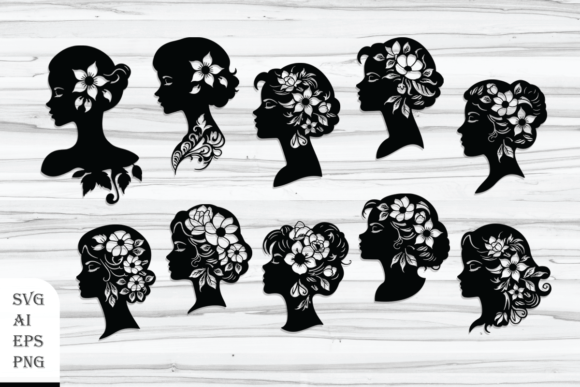
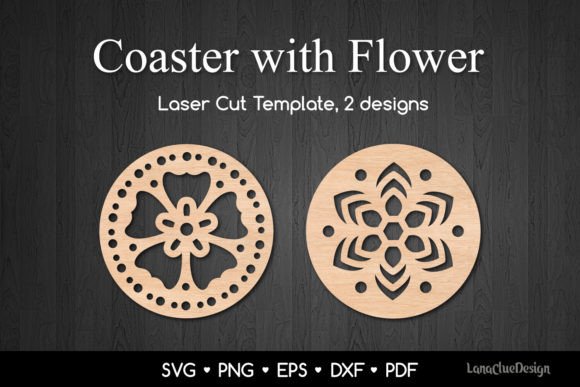
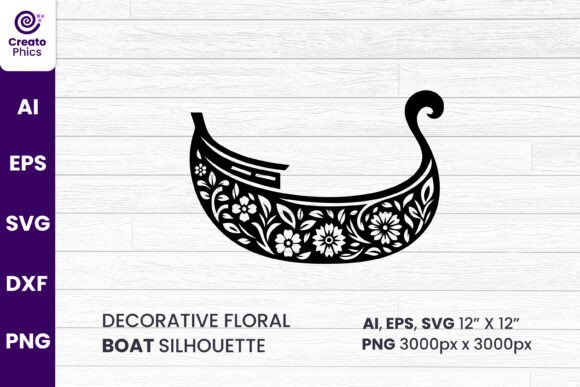
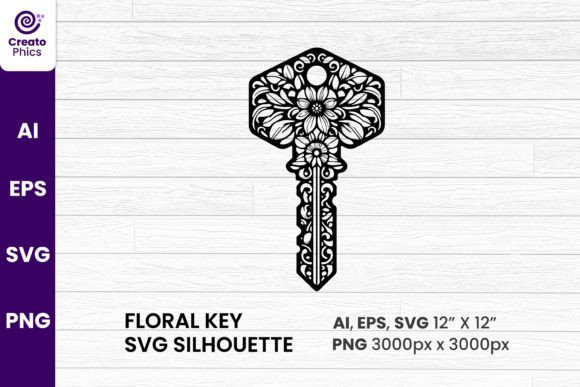
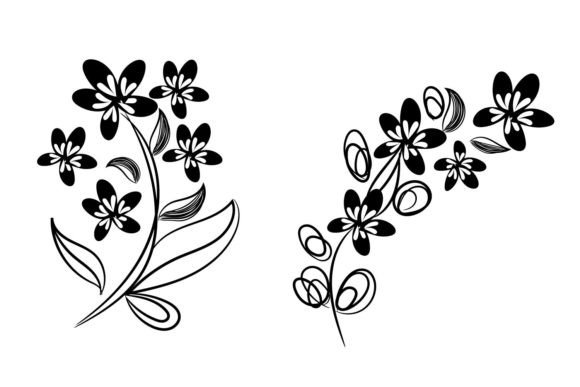
When you download a collection like the Floral Decorative Elements Collection, the first question isn't about the files—it's about the vibe. Opening these assets instantly creates a sense of organic, crafted elegance. This isn't a sterile corporate toolkit; it feels lifestyle-focused, artistic, and intentionally decorative. The mood is distinctly feminine and modern, supporting niches like lifestyle blogging, creative entrepreneurship, home decor, wedding content, wellness publishing, and educational crafts. The style suggests a publisher who cares about visual polish and reader experience, building trust through aesthetic consistency.
The Publisher's First Download: Assessing File Formats for Real Work
The package delivers exactly what a working publisher needs: a zipped bundle containing the AI, EPS, SVG, PDF, and high-quality PNG files. This multi-format approach is critical. The vector files (AI, EPS, SVG) are your foundation for scalability—perfect for resizing a graphic from a tiny category icon to a massive website header without losing quality. The PNGs offer immediate, ready-to-place transparency for quick blog graphics. The PDF serves as a reliable print-ready format for any downloadable guides or printables. Before diving in, always verify your software can handle these formats, especially the vector files for deep customization.
Editorial Applications: From Blog Posts to Digital Guides
This floral graphic design asset shines in specific, high-impact areas of your publishing workflow. Imagine applying these elements to create a stronger visual identity across all your channels.
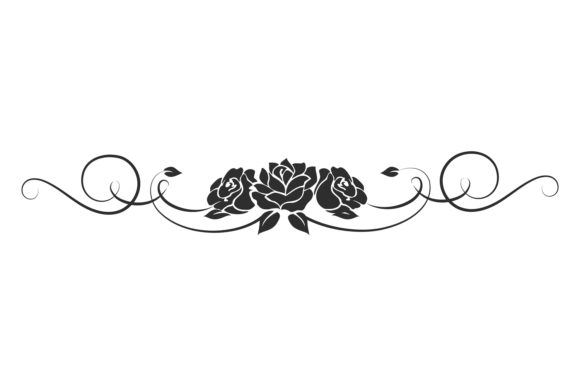
For blog graphics, these florals become elegant accents on featured images, drawing the eye and softening a headline. They can define category thumbnails—a floral border can instantly signal a "Home & Garden" post versus a "DIY Crafts" article. In editorial layouts within digital guides or lead magnets, they serve as sophisticated section dividers or corner decorations, elevating the perceived value of your content upgrade.
For social media and Pinterest pins, a well-placed floral element from this collection can create a clearer visual hierarchy. It frames your text, adds a clickable decorative appeal, and makes your pin stand out in a crowded feed. Using them in newsletter graphics or headers adds a personal, artistic touch that feels less transactional and more like a curated letter.
Where This Asset Maximizes Content Performance
The real value of a cohesive collection like this is in performance support. A stronger first impression on a blog post or landing page directly influences dwell time and trust. Better click-through potential on social media comes from visuals that are polished and emotionally resonant—these florals achieve that. For affiliate marketers, using these on affiliate content visuals makes recommendation pages feel less like ads and more like integrated, premium content.
More consistent branding across your website, media kit, and digital products is easier when you have a library of matching elements. This leads to improved reader trust and stronger category recognition. A reader will subconsciously learn that a post decorated with your chosen floral style belongs to a certain topic pillar on your site.
Hero Images, Thumbnails, and Content Upgrade Accents
This collection works best in prominent, visual-forward applications. Use it boldly for hero images and website banners where the detail can be appreciated. It’s ideal for article thumbnails in grid layouts, providing a decorative uniformity. For Pinterest pins, it adds texture without overwhelming the core message. As editorial accents inside long-form blog posts or eBooks, it breaks up text visually. Finally, it’s perfect for content upgrades like downloadable worksheets or planner pages, where the design directly contributes to the perceived worth of your lead magnet.
Practical Publisher Notes: Testing Before Deployment
Before committing any design asset to your live site, rigorous testing is key. Always test it on desktop and mobile screens. A intricate floral detail might look stunning on a monitor but become a muddy blur on a mobile thumbnail. Preview it inside a real blog layout alongside your actual headline text. Check contrast and readability: does the floral element compete with your typography or complement it?
Try pairing it with different font styles. Place it beside a clean sans serif font for a modern look, a classic serif font for traditional elegance, or a script font for a wholly romantic feel. See how it looks in black and white to ensure it retains its form even in monochrome prints.
For web performance, remember that while the vector files are lightweight, exported PNGs can be large. Compress images properly before uploading to your CMS. Most importantly, confirm commercial licensing before using these on monetized websites, affiliate pages, or within paid digital products like Canva templates you sell. The description implies personal use, so direct contact with the creator is essential for commercial clarification.
Careful Application: When Less is More
While versatile, this Floral Decorative Elements Collection should be used carefully in certain contexts. Avoid overly busy layouts where it might add visual clutter. In small mobile thumbnails, simplify: use a single, larger floral element rather than a complex pattern. On text-heavy blog images, ensure the graphics don’t obscure or confuse the written message.
Be cautious with low-contrast backgrounds; a pale floral on a pale background vanishes. This asset likely won't suit serious professional niches like finance or corporate tech websites that require a very minimal, neutral visual system. Its decorative nature is its strength, but that makes it a mismatch for content needing stark professionalism.
Integrating Florals into a Cohesive Visual System
For the blogger, designer, or small business owner, the ultimate goal is building a recognizable brand identity. This collection can be a cornerstone of that. Use a select subset of these floral elements consistently across your blog graphics, digital product covers, and social media graphics. This repetition trains your audience's eye and builds a subconscious association with your quality.
Think beyond single posts. How can these graphics unify your content marketing across platforms? A signature floral motif can appear on your YouTube channel art, your newsletter header, and the cover of your next digital guide. This turns a purchased graphic design asset into a true part of your creative design language, elevating every piece of content you publish from a simple article to a polished, professional publication.