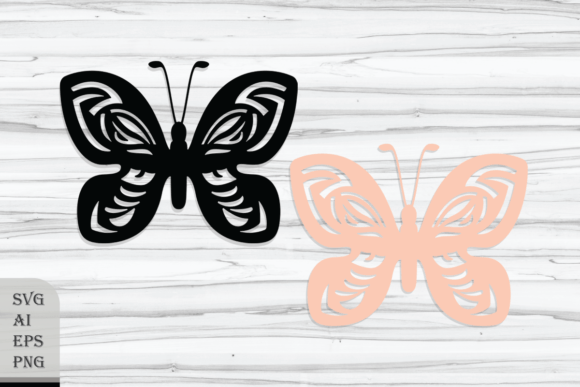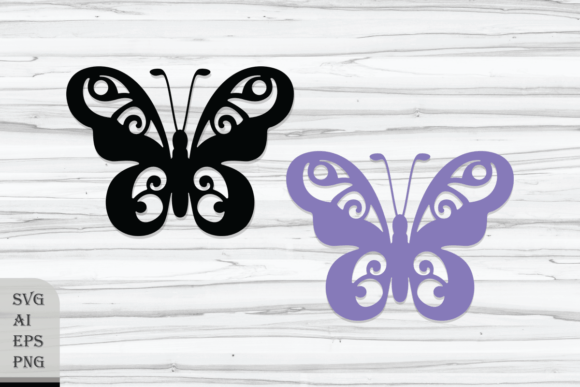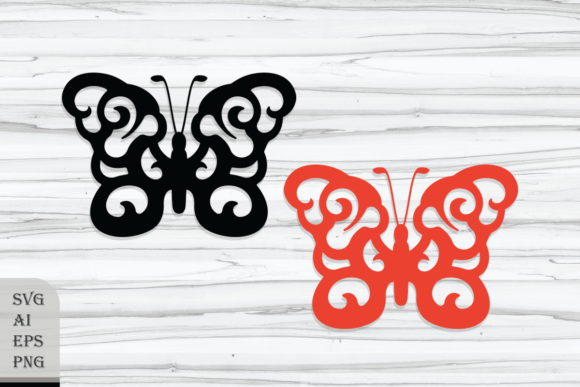
The Decorative Cheese Butterfly in Crafts & Graphics: A Brand Designer's Review
First Impressions: A Soft, Whimsical Asset for Welcoming Brands
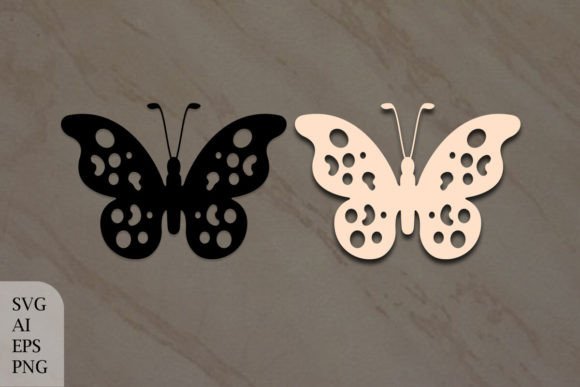
When evaluating a graphic design asset like the Decorative Cheese Butterfly for a real business project, the immediate mood it creates is paramount. This design suggests a soft, whimsical, and subtly playful brand personality. It leans toward a handmade or artisanal feel, evoking warmth and a friendly, approachable character. I would immediately consider it for businesses wanting to convey care, creativity, and a touch of decorative charm. It feels inherently suited to local businesses in the food, craft, children's product, or boutique home decor sectors. The style isn't overtly rustic or bold; instead, it offers a gentle, decorative elegance perfect for brands that want to stand out without shouting.
A Practical Case: Transforming a Local Artisan Cheese Shop
Let's frame this review around a real project: revitalizing the branding for a small, local artisan cheese shop. The owner wants to shift from generic labels to a cohesive, memorable brand identity that reflects the craft of their products. The Decorative Cheese Butterfly enters as a potential core visual element. Its inherent thematic link to cheese is a delightful starting point, but its value lies far beyond a literal representation. This asset becomes a versatile tool for building a complete visual language.
Building a Cohesive Brand Identity from a Single Graphic
A strong local business branding relies on consistent, repeated visual elements. The provided files—high-resolution PNGs with transparency and vector formats like SVG and AI—are the foundation. For the cheese shop, the PNG files at 300 DPI are ready for high-quality print applications. The butterfly could be adapted as a secondary logo mark, a recurring pattern on packaging, or an iconic graphic on stationery. The vector files are crucial; they allow a designer to scale the asset infinitely without quality loss, essential for tasks ranging from a tiny sticker on a jar to a large poster for a market stall. This flexibility supports clearer visual hierarchy across materials.
Direct Applications for Packaging & Product Presentation
In practical use, this graphic design asset shines in specific applications. For product labels and packaging accents, it adds immediate shelf appeal. It can be used as a hero graphic on a main label, or as a decorative border on a hang tag. Imagine it on thank-you cards included with orders, or as a watermark on a paper wrap. For promotional visuals, it integrates seamlessly into social media graphics announcing a new batch, website banners for seasonal campaigns, or flyers for a shop event. It elevates basic business cards and price lists from functional to branded. The transparent background PNG is particularly powerful for creating product mockups, allowing the butterfly to be placed over photos of cheese boards or packaging prototypes.
Where This Asset Supports Business Goals Most Effectively
Using such an asset strategically improves several key business presentation areas. It fosters a stronger first impression, making packaging look intentional and professional rather than generic. This builds better product recognition—customers begin to associate that decorative butterfly with your brand's quality. It enables more consistent brand identity across physical and digital touchpoints, which in turn improves customer trust. The emotional connection is subtle but real; a beautiful, crafted graphic suggests care in the product itself. Finally, it results in more polished marketing visuals, helping a small business compete visually with larger entities.
Strategic Placement: Maximizing Impact in Your Design System
For our artisan cheese shop project, I would recommend deploying the Decorative Cheese Butterfly as a decorative brand element rather than the primary logo. It works best as a supporting visual on product labels, especially on primary packaging where it can be given space to breathe. It's excellent for seasonal packaging variations—a festive summer or holiday release. It would be a standout feature on boutique shop visuals, like in-store signage. For social media campaign graphics, it can serve as a unifying frame or badge across posts.
Caution Areas: When to Use This Graphic with Care
However, a professional branding approach requires knowing where an asset might not fit. This butterfly should be used carefully on very small labels where detail could get lost. On crowded product packaging, especially ingredient-heavy layouts, it could compete with vital text if not balanced properly. It isn't suited for formal corporate branding or luxury minimalist brands where decoration is minimal. Avoid placing it directly in legal information areas or on low-contrast backgrounds where it might disappear. Its role is decorative enhancement, not information carrier.
A Brand Designer's Practical Notes Before Client Use
Before finalizing any design for a client's business branding, I follow a checklist. With this Decorative Cheese Butterfly graphic, I would test it on real packaging mockups at various sizes. I'd preview it on a small label to ensure clarity. Checking how it looks in black and white is vital for some print scenarios. I would test it alongside the brand's color palette and with different font styles—a serif font for tradition, a sans serif for modernity, a script for elegance—to see which pairing strengthens the overall mood. Crucially, I would confirm the commercial license for this digital product, ensuring it's cleared for use in physical product sales and all commercial design for the client. Reviewing the SVG editability in vector software allows for potential customization to better align with the brand's unique identity.
Conclusion: A Versatile Tool for Crafting Authentic Local Brand Stories
The true value of a graphic design asset like the Decorative Cheese Butterfly for a small business owner or creative entrepreneur isn't just in its aesthetic. It's in its ability to become a reliable, scalable component of a brand's story. For a handmade business, a food label, or a boutique, it provides a ready-made element of craft and warmth. It helps translate the care put into a physical product into a visual language that customers can see and feel. When used thoughtfully—across packaging design, promotional visuals, and the entire brand identity—it moves beyond being just clipart or an illustration. It becomes a part of what makes a local business visually distinct, trustworthy, and memorable.