Decorative Abstract Butterfly: A Designer's Eye for Real Projects
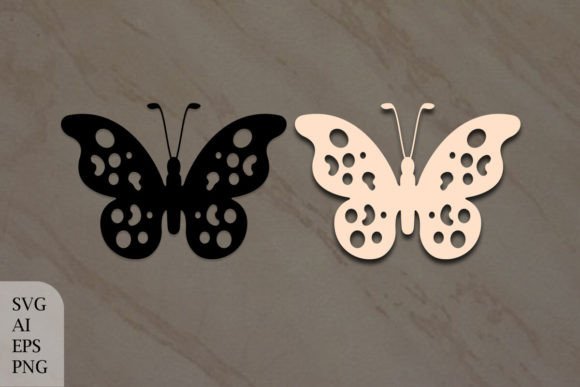
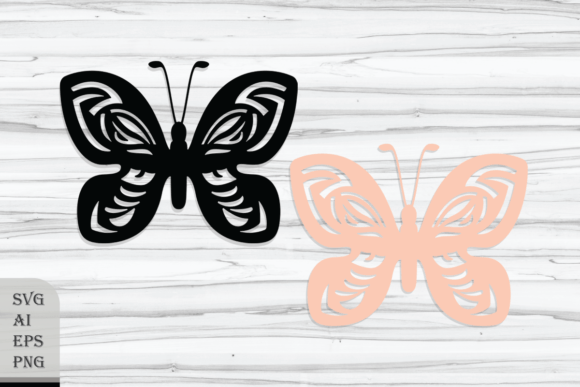
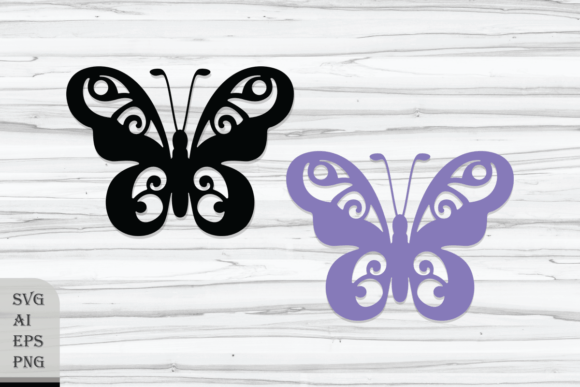
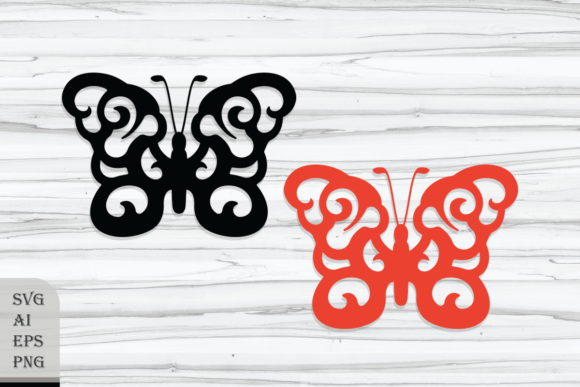
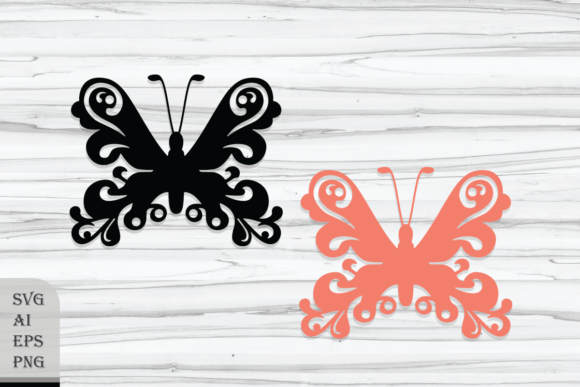
When I first open the Decorative Abstract Butterfly file, I’m looking at it through the lens of a finished product. This isn’t about just viewing a graphic; it’s about imagining it transformed into thread and texture on fabric. My immediate impression is one of modern whimsy. The design feels open and airy, not overly dense, which is a great starting point for a successful machine embroidery design. It carries a gentle, artistic personality—less literal, more decorative—which makes it versatile for a wide range of clients and projects.
The Mood It Creates on Fabric
Abstract designs like this Decorative Abstract Butterfly are particularly powerful in embroidery because they translate shape and suggestion into stitch. The mood is contemporary and subtly elegant. It wouldn’t scream “baby” or “holiday” specifically, but it could beautifully accent a nursery item or become a unique wedding gift. This visual personality means it can slide into both casual and slightly more refined handmade products without feeling out of place. I’m thinking it would pair wonderfully with natural linen for a pillow cover, or add a sophisticated touch to a simple canvas tote bag.
Where This Butterfly Finds Its Wings
Let’s walk through a real scenario. Imagine a client requests a custom embroidered sweatshirt for a gift—something unique but not overly floral or geometric. This Decorative Abstract Butterfly comes to mind. Its open layout suggests that stitch density could be managed well, preventing the sweatshirt fabric from becoming too stiff or heavy under the embroidery. The same principle applies to a tea towel or a lightweight baby blanket; the design feels light enough to complement the item, not overpower it.
For small business merchandise, this is a strong candidate. An Etsy seller offering embroidered caps or aprons could use this as a recurring, recognizable motif. Because the archive includes vector files like SVG and AI, it’s also adaptable for creating consistent branding elements or printable mockups for your shop listings. For apparel decorators, it’s a design that could work on a teen’s t-shirt or a boutique’s branded polo without needing a complete style overhaul for each audience.
A Note on Commercial Use and Licensing
A crucial step for any craft business or digital product seller is confirming licensing. The product description notes it’s a graphic file, but for using it in commercial embroidery projects—selling the finished tote bags, patches, or baby items—you must verify the terms. Always check this before investing time and materials into a production run. Assuming the license permits it, this design becomes a valuable commercial embroidery file asset.
Practical Considerations Before Hooping Up
Confidence in your finished product starts with testing. Always stitch the Decorative Abstract Butterfly out on scrap fabric first, ideally on both a light and a dark background. This reveals how the details hold up. Since it’s abstract, the clarity of its shapes is paramount. Look for any very small corners or potential pinch points in the design that might need a slight adjustment in size or stitch type.
Stitch density is a key worry. While the design appears open, you need to see how the machine translates it. High density on stretchy fabric like t-shirts or on thin fabric like a kitchen towel can lead to puckering or warping. Using the proper stabilizer for your specific fabric is non-negotiable here. Also, consider thread color contrast. On dark fabrics, you might need to plan for slightly brighter or bolder threads to maintain that decorative appeal, whereas on light fabrics, a softer palette could enhance its gentle mood.
Projects That Require Extra Care
Some applications need a more thoughtful approach. Embroidering this onto a curved surface like a cap requires checking the design size against the cap’s available flat area. A design too wide might distort. For items that undergo frequent washing, like baby clothes or aprons, you want to ensure the stitch coverage is solid enough to withstand wear without fraying—another reason a test stitch-out is invaluable.
If creating an embroidered patch, the abstract nature works beautifully, but you’d want to potentially add a border or ensure the fill stitches are dense enough to give the patch a robust, finished feel. For very small hoop sizes, scrutinize the detail level; simplifying the design slightly might be necessary if you’re going extremely miniature.
How This Design Elevates Your Work
From a professional standpoint, using a well-composed design like the Decorative Abstract Butterfly boosts the perceived value of your handmade product. It feels intentional and artistic, which builds customer trust and engagement. It’s not a generic stock image; it’s a graphic with a personality. This directly enhances giftability and brand consistency if you use it across a line of products for your small shop.
For the hobbyist making personalized gifts, it offers a step up from overly simple motifs, giving the recipient something that looks thoughtfully chosen and expertly executed. The inclusion of PNG files with transparent backgrounds at high resolution is a practical boon for creating digital previews or using the artwork in other complementary ways alongside your embroidery project.
Final Designer Notes Before You Start
My final advice is always practical. Don’t skip the mockup phase. Use those PNGs to drop the design onto images of sweatshirts, tote bags, or pillow covers in black and white to judge its visual impact. Confirm your machine embroidery design settings. And most importantly, approach this Decorative Abstract Butterfly as a flexible design asset. Its strength is in its adaptability—from a single custom apparel item to a small batch of craft fair products. With careful testing and an eye for fabric compatibility, it can become a reliable and beautiful part of your embroidery repertoire.